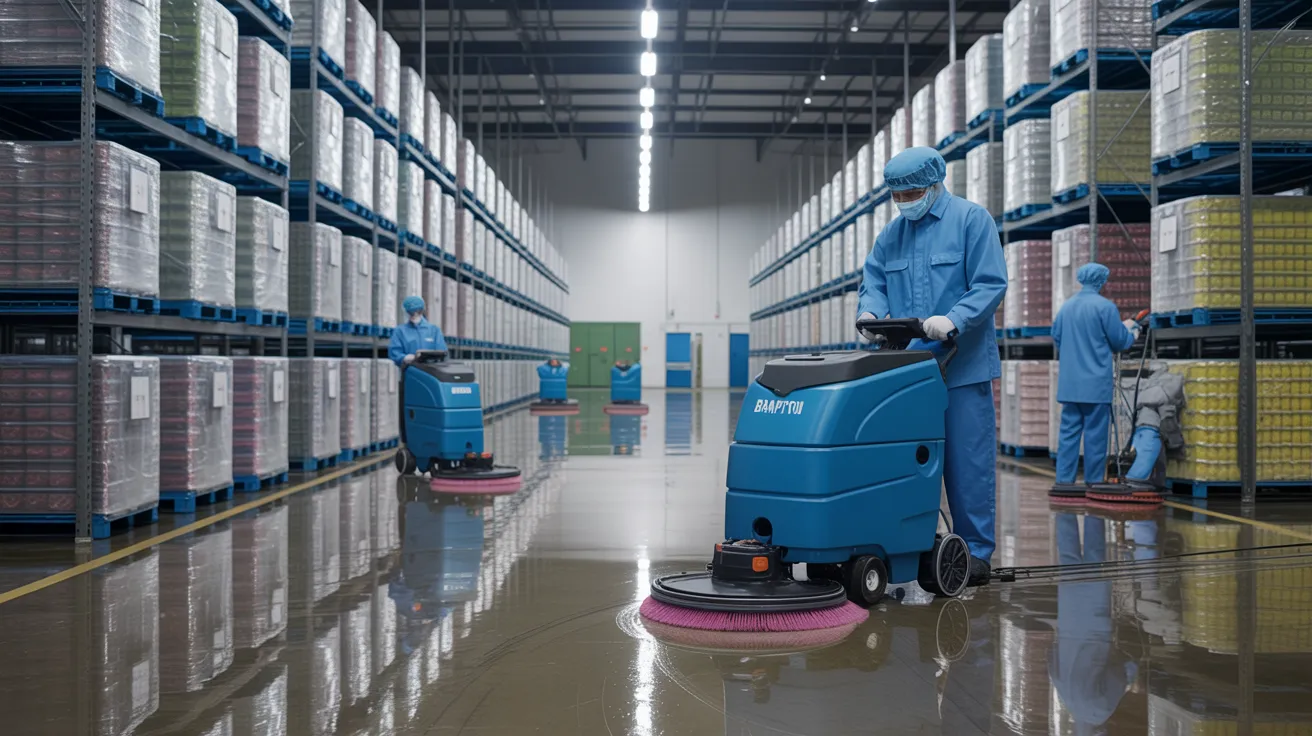
Brampton food hygiene and professional sanitation experts help you keep dining establishments, food distribution centers, baking facilities, warehouses, and food service vehicles sanitized to standards. They sanitize high-touch points, food preparation areas, equipment, floors, drains, restrooms, and prep zones using certified sanitizers, proper concentration, and documented contact times. in maintaining dining venues, commissaries, baking operations, warehouses, and mobile food operations in compliance. They disinfect high-touch points, food preparation zones, equipment, floors, drains, restrooms, and food handling zones using certified sanitizers, correct concentration, and documented exposure durations.
Essential Summary
- Brampton sanitation experts service restaurants, grocery departments, commissaries, warehouses, bakeries, schools, mobile vendors, and allergen-sensitive operations.
- They clean high-touch surfaces, food-contact equipment, kitchens, floors, drains, restrooms, and storage areas using compartmentalized approaches to prevent cross-contamination.
- Logging of finishing through checks, inspections, and action records verifies certified providers have verified proper chemical concentration, compatibility, and contact time.
- Hazard, output capacity, transitions, spills, and regulations should direct sanitation timelines, with everyday, recurring, and periodic activities allocated by area.
- Highlight providers exhibiting hazard analysis knowledge, public-health competency, WHMIS training, protection, credentials, color-coded equipment, and compliance-ready cleaning paperwork.
Food Safety Cleaning Requirements for Brampton Venues
You must adhere to food safety cleaning if your facility is regulated by public health review, food regulations, or HACCP systems. This covers eateries, dining areas, supply warehouses, retail departments, meat counters, fish departments, general stores, and facility-based kitchens.
Adherent sanitation standards remains necessary in supply warehouses, processing plants, freezer locations, commercial bakeries, school food programs, reception facilities, and food delivery centers. Temporary mobile establishments apply similarly, such as food trucks, event sellers, and temporary stalls. Your establishment needs established hygiene documentation if your team work with ingredients, section ready-to-serve foods, heat finished items, or maintain allergen storage. In Brampton, sanitation stays voluntary; it represents lawful, operational, and customer protection standards.
What Services Do Brampton Cleaning Experts Provide?
You need skilled cleaning experts who disinfect high-touch surfaces, cooking areas, floor areas, and restroom facilities to ensure compliance with food safety and health standards. These locations are prioritized because they carry the greatest contamination risk, slip and fall dangers, and health code violations.
Understanding their cleaning procedures enables you to validate your facility's cleaning meets operational demands and regulatory compliance.
High-Touch Surface Disinfection
assign how regularly each area is cleaned
maintaining directional systems, and keeping separate cleaning materials organized by section
Kitchens, Floors, and Restrooms
Brampton cleaning services focus on kitchens, floors, and restrooms as each zone presents different sanitation, slip-and-fall, and wellness concerns. In industrial kitchens, you need grease removal from cooking stations, appliance surfaces, drain systems, preparation areas, and backsplashes to reduce bacterial growth and pest activity.
You should also expect documented flooring maintenance. is likewise provided as part of the service.
Restroom sanitation involves sanitizing surfaces, fittings, separators, dispensers, and containers, replenishing amenities and managing odor. They also service restaurant moprooms, where chemical storage, sink hygiene, and drainage conditions can affect sanitation compliance and staff safety daily.
Why Food Safety Cleaning Matters in Brampton
Brampton facilities demand food-safe cleaning standards to fulfill health code requirements and pass inspections. You also reduce bacterial spread through proper cleaning of food-preparation surfaces, appliances, and frequently-touched items. Most importantly, you help protect public health by lowering the risk of foodborne illness in your facility.
Food Safety Regulations
Food operations in Brampton face stringent health requirements, making food safety cleaning crucial to meeting health code requirements, defending patrons, and eliminating enforcement action. You must maintain clean food preparation areas, verifiable cleaning logs, proper chemical use, and auditable operational standards that correspond to municipal and provincial inspection expectations.
Inspectors examine your operation to establish that your sanitation system maintains proper stock preservation, tool sterilization, garbage disposal, and washroom maintenance.
Contamination Prevention
Following health code standards depends on your ability to prevent cross-contamination in daily food handling and cleaning. You should isolate raw items from prepared foods, disinfect work areas after use, and store chemicals away from food-contact items. Clear procedures reduce transfer risks and support consistent compliance during inspections.
You should implement allergen segregation to keep priority allergens from contacting shared surfaces, containers, or equipment. Employ separate boards, labeled implements, and careful equipment identification so staff don't mix items during preparation or service. Mandate washing hands following raw meat, seafood, eggs, or allergen-containing products. Change cleaning rags frequently, and verify sanitizer strength with test strips. When staff members receive training on these procedures each work period, you create a cleaner, safer operation that meets Brampton's food safety expectations daily.
Public Wellness Protection
When food safety cleaning breaks down, you don't just risk a failed inspection—you increase the chance of food-related sickness affecting customers, staff, and the wider Brampton community. You also weaken your role in safeguarding community wellness, especially in busy food facilities where pathogens travel quickly through surfaces, equipment, and touchpoints.
You require sanitation protocols that eliminate soils, sanitize properly, and confirm effectiveness. This involves adhering to exposure times, employing authorized sanitizers, documenting procedures, and training employees to meet regulatory standards. These mechanisms support disease prevention by decreasing microbes before contaminating food or surfaces. Across Brampton, strong cleaning protects at-risk populations, limits outbreak risk, and demonstrates accountability. When you follow standards, you exceed regulations—you meaningfully reduce risk and enable safer food service throughout the area.
How Does Cleaning Support Food Safety Compliance?
Rigorous cleaning routines ensure food safety compliance by decreasing contamination threats, managing pathogen expansion, and ensuring your facility complies with sanitation requirements under HACCP-based programs and public health regulations. You confirm that food-handling surfaces stay visibly clean and microbiologically controlled, facilitating documented preventive controls and inspection readiness.
Cleaning programs additionally bolster allergen management by clearing residues that can trigger undeclared allergen exposure.
When Should You Arrange Commercial Cleaning?
daily standard cleaning
Use every week or monthly schedules
What Should You Look For in Brampton Cleaning Experts?
Start by screening providers against food sanitation standards, not cost only. You should verify that each company understands CFIA, public health, and HACCP-aligned expectations relevant to your facility. Ask for insurance documentation, WHMIS compliance, documented staff training, and supervision practices. Review whether technicians understand cross-contamination risks, chemical handling, and traceable sanitation records.
You should further examine operational reliability and accountability. Request references from food facilities in Brampton, then review response times, corrective-action procedures, and communication protocols. Validate the company facilitates supplier audits and can present inspection-ready documentation to authorities or third parties. Confirm equipment receives maintenance, colour-coded tools are applied read the full story correctly, and facility-specific risks are recognized. A experienced service protects compliance, product quality, and your brand reputation.
What does a cleaning and sanitation plan encompass?
Establish a documented plan that clarifies every sanitation task, standard, and responsibility ahead of production commencement. You should specify cleaning intervals, permitted substances, dilution percentages, exposure times, instruments, and inspection methods for each sector, surface, and equipment. Make sure to include pre-operational inspections, corrective actions, and employee training requirements.
Your plan should also focus on cross-contamination controls, waste handling, pest-prevention measures, and documented schedules for restrooms, drains, floors, and food-contact areas. Describe how you'll separate raw and ready-to-eat processes, facilitate ingredient tracking, and maintain accurate allergen labeling through validated cleaning between product changes. You should set accountability, maintain signed records, and review results against regulatory standards, HACCP controls, and customer requirements. When gaps appear, modify procedures immediately and retrain staff.
Frequently Asked Questions about the Plan
Are cleaning services available for overnight shifts in Brampton facilities?
If you run controlled spaces, you'll also need records that enable audits and maintain assurance.
Will Brampton cleaning experts respond to hazardous incidents?
Yes, you can locate several Brampton sanitation experts offering spill containment options. They handle contamination, assess dangers, isolate zones, and execute rapid cleanup to minimize risk and limit operational impact. You should confirm timeframes, certifications, safety measures, and procedures. If your facility must meet standards, pick a provider that logs events, follows procedures, and ensures verification.
Can green disinfectants be used safely on food-contact surfaces?
Yes, plant-based sanitizers can be safe for food-handling equipment if you opt for solutions certified for food use and regulatory compliant. You should check exposure duration, dilution rates, and rinse procedures before application. Many plant-derived products reduce chemical hazards, but you require proof of efficacy against harmful bacteria. To preserve residue-free areas, you must adhere to manufacturer instructions exactly and validate the disinfecting agent satisfies relevant food safety standards.
Can sanitation programs flex with seasonal shifts?
Without question, cleaning plans adapt well for seasonal shifts. Adapt intervals, staff levels, sanitizers, and verification steps to align with seasonal workflows while maintaining regulatory compliance. Minimize production interruptions by planning disinfection during production shifts, peak seasons, and usage cycles. Additionally revise written procedures, training, and environmental monitoring to capture seasonal hazards, new allergens, or increased soiling. Regular reviews ensure the program current.
Do commercial cleaners train staff on sanitation best practices?
Certainly, professional cleaning experts train your employees on sanitation best practices. You obtain staff training on correct chemical practices, contact times, cross-contamination prevention, machine disassembly, and documentation. They generally coordinate instruction with HACCP, GMP, and CFIA or local public health standards. Many also run health assessments to verify compliance, uncover shortcomings, and reinforce corrective actions. This enables you to copyright standard processes, pass inspections, and reduce food safety risks daily.
Final Thoughts
Partnering with Brampton food safety and commercial cleaning professionals goes beyond tidying—it guarantees your operation stays inspection-compliant and your standards are defensible. From kitchen areas to production zones, each cleaned area and organized section lessens contamination risk and avoids costly disruptions. By arranging service at suitable frequencies and executing a comprehensive cleaning strategy, you shield your workforce, your customers, and your image. In a heavily regulated sector, clean environments are non-negotiable—they're vital to proper management.